Introduction
Korean cuisine, known as Hansik, is deeply rooted in history and tradition, offering a perfect balance of flavors, colors, and nutrition. From royal court dishes to spicy street food, Korean food celebrates the harmony of ingredients and the importance of communal dining. In recent years, Korean cuisine has evolved to embrace modern trends while staying true to its roots. Whether you’re tasting slow-fermented kimchi or a trendy Korean-style burger, there’s something for everyone to enjoy.
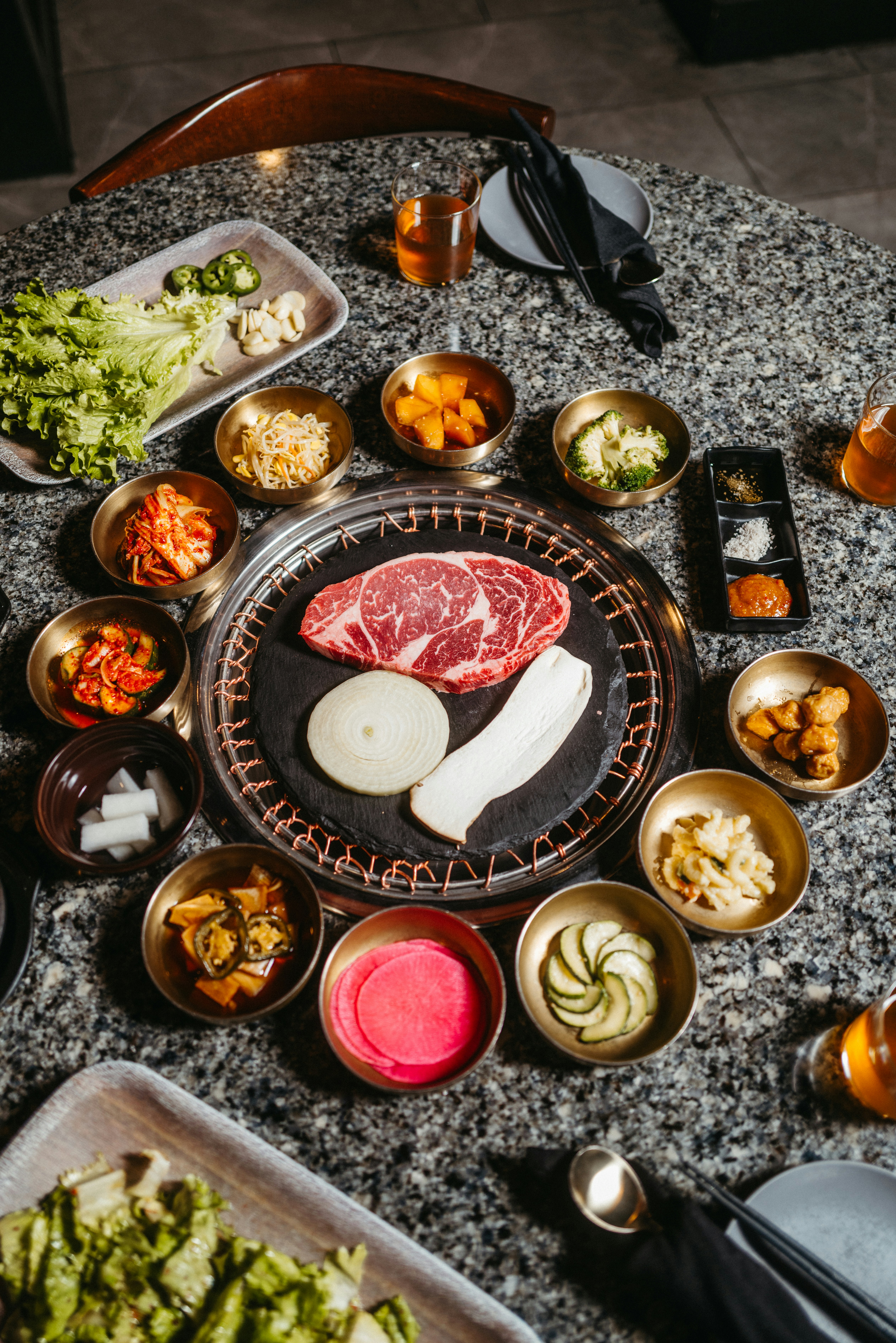
Traditional & Elegant
Hansik (한식) Table – Hansik means Korean food, rooted in balance and seasonal ingredients.
Taste of Joseon (조선) – Inspired by the royal recipes and noble traditions of the Joseon dynasty.
Seonbi (선비) Kitchen – Elegant and intellectual dishes honoring Korea’s scholarly heritage.
Hwayo (화요) Korean Cuisine – Represents harmony and fire, blending ancient methods with warm flavors.
Modern & Trendy
K-Flavors – A fusion of traditional spices with modern street food culture.
Bap (밥) & Beyond – Reinventing rice-based meals with global twists.
Seoul Spoon – Urban dining meets the soulful heart of Seoul.
Kimchi (김치) Cloud – A dreamy take on Korea’s most iconic fermented dish.
BibimBite – Quick, fun spins on the classic Bibimbap (비빔밥) bowl.
Fun & Playful
Noms of Korea – Playful, bite-sized tastes of Korean snacks and sweets.
Kimchi & Chill – A casual, cozy vibe for spicy comfort food lovers.
Spicy Seoul – Exploring the bold, fiery dishes from Korea’s capital.
Bulgogi (불고기) Beats – Grilled goodness served with rhythm and flavor.
Ddukbokki (떡볶이) Diaries – Stories and flavors from Korea’s beloved rice cake dish

Korean Traditional Attire – Hanbok
Introduction:
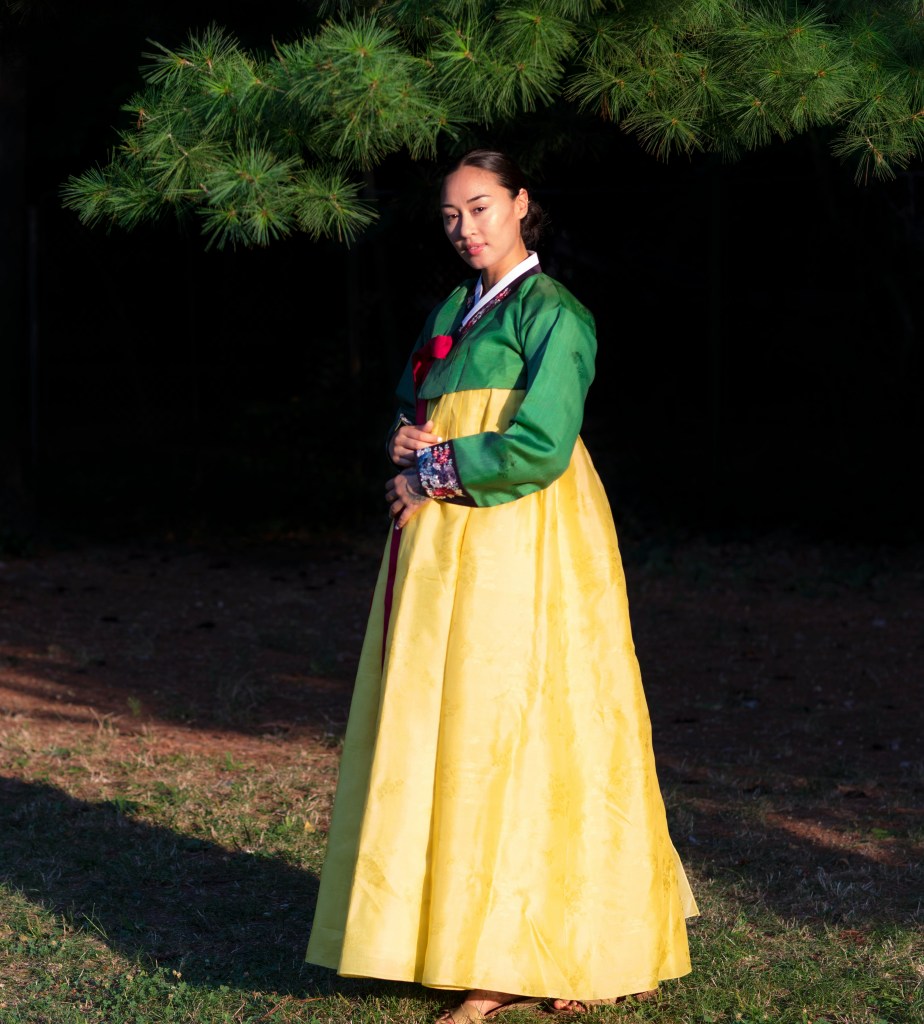
Hanbok (한복) is the traditional clothing of Korea, known for its vibrant colors, elegant lines, and timeless beauty. Worn for centuries during festivals, ceremonies, and daily life in the past, the hanbok represents Korean cultural identity and aesthetics.
Elements of Hanbok:
- Jeogori (저고리) – The upper garment worn by both men and women. It includes delicate ribbons and graceful lines that symbolize modesty and formality.
- Chima (치마) – A long, full skirt worn by women that flows with each step, representing grace and femininity.
- Baji (바지) – Loose-fitting pants worn by men, designed for ease of movement and comfort.
- Durumagi (두루마기) – A traditional overcoat worn during colder seasons or special occasions.
- Accessories – Norigae (decorative pendants), beoseon (white socks), and traditional footwear complete the attire.
Symbolism in Hanbok:
- Colors – Traditionally, colors were chosen based on one’s social status, marital status, and the occasion. For example, bright colors were worn by children and young women, while subdued tones were for the elderly or formal events.
- Design – The simplicity of structure with wide sleeves and smooth seams reflects harmony, balance, and respect for nature.
Hanbok Experiences:
While modern Koreans don’t wear hanbok every day, it is still cherished and worn during important holidays such as Chuseok (Korean Thanksgiving) and Seollal (Lunar New Year), as well as for weddings, graduations, and cultural events. Modern designers have even reimagined hanbok for daily wear, combining tradition with contemporary fashion.
Hanbok Experiences:
Many tourists and locals alike enjoy hanbok rental experiences at historical sites like Gyeongbokgung Palace in Seoul, where you can walk in traditional clothes and take beautiful photos surrounded by Korean architecture.
 eLearning & Instructional Design Portfolio